Many indigenous communities have strong oral systems for sharing knowledge rooted in culture, territory and lived experience.
But new realities - from health risks and legal rights to climate threats and public services - often arrive in written, technical or bureaucratic formats, and in languages that do not reach people where they live.
Indigenous Audio Action helps communities turn this external knowledge into trusted local-language audio that can be created, shared and reused through the channels people already know: voices, radios, SD cards, USB sticks, PA systems, river routes and community networks.
In 2023, Audiopedia Foundation worked with CARPHA and GIZ in Belize to explore how digital audio tools can support Maya and Garifuna communities.
The workshop showed how local-language audio can help share vital health information in oral, low-connectivity settings - using trusted voices, practical technologies and channels adapted to each community.
The Belize experience helped shape a core principle behind Indigenous Audio Action: digital where it helps, physical where it matters, community-owned from the start.
Indigenous Audio Action follows a simple cycle: understand what knowledge is needed, create it with local voices, carry it through trusted channels, and learn how to make the model stronger.
Years before Indigenous Audio Action took shape as a framework, Audiopedia Foundation supported field partners exploring how digital audio could serve oral communities.
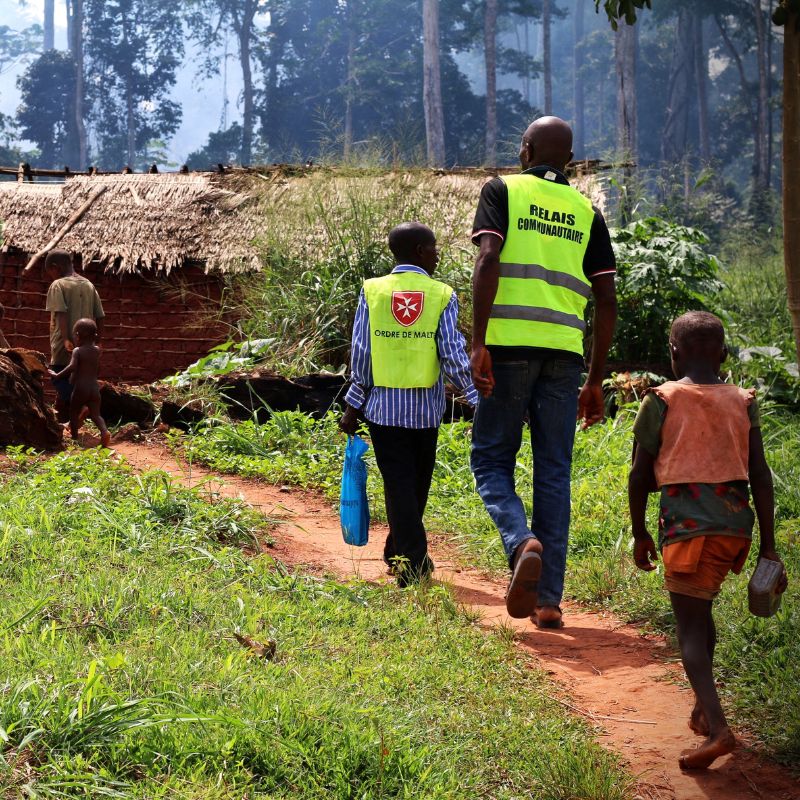
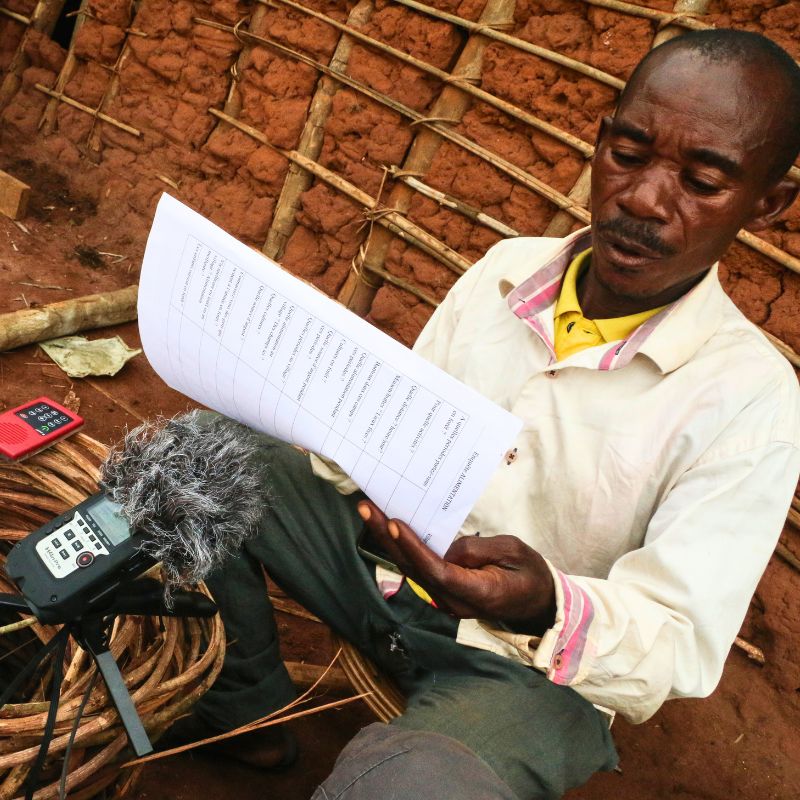
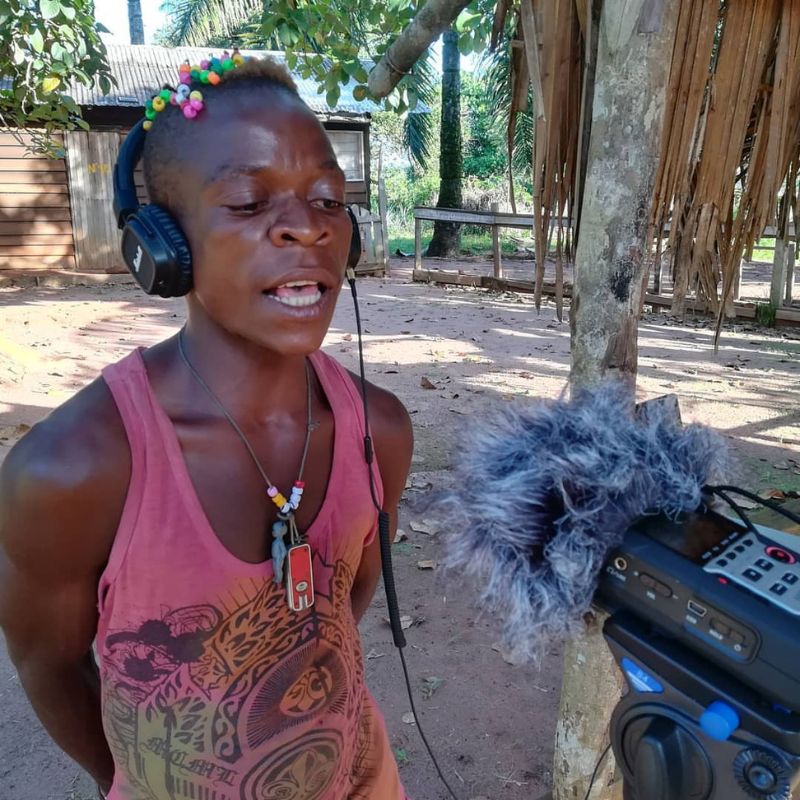
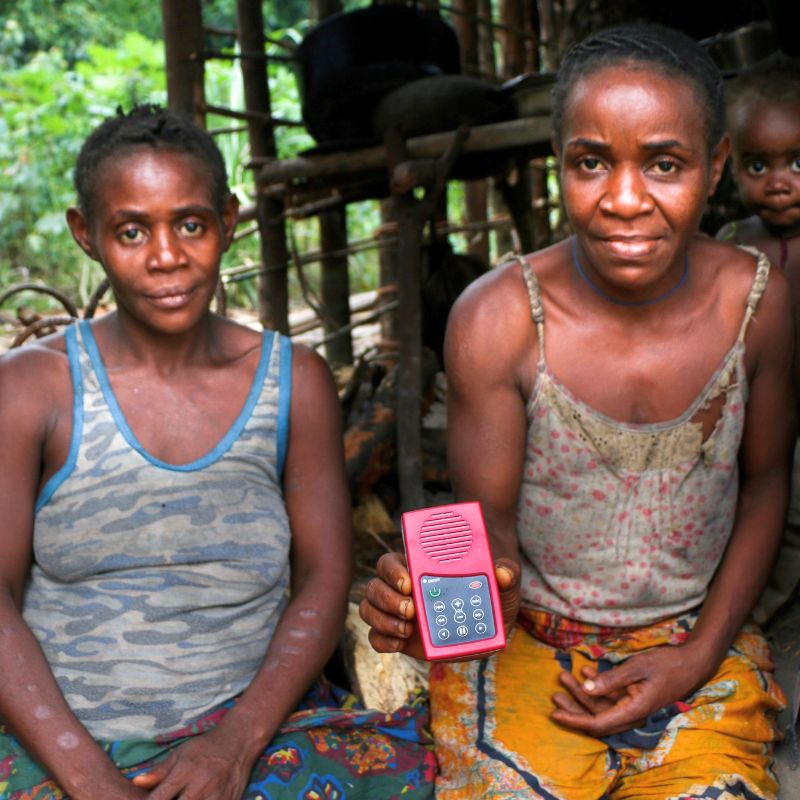
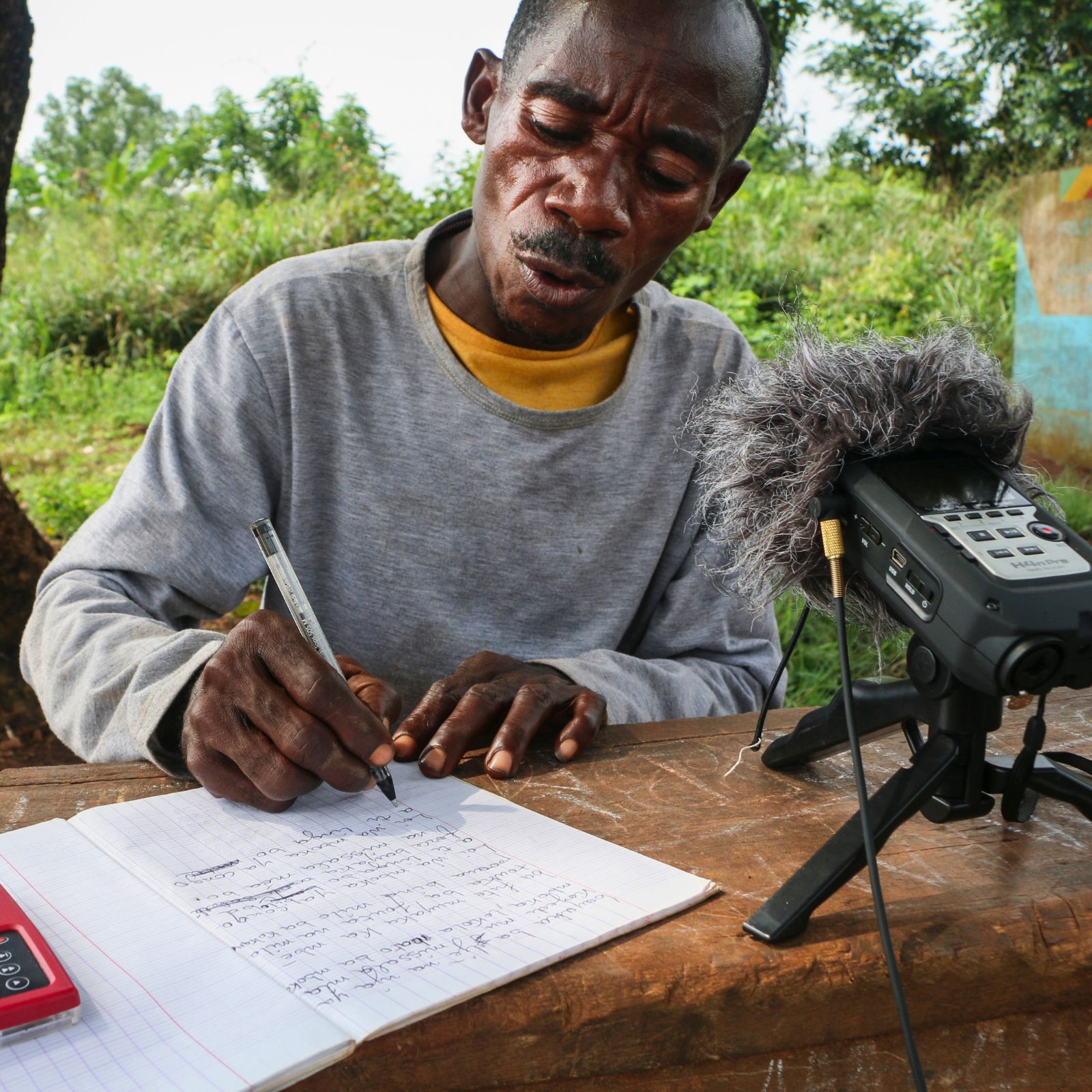
In the Congo Basin, anthropologist Romain Duda worked with Aka communities to record locally created audio content on health and indigenous rights. One result was a “diarrhea song” that combined hygiene messages with local medicinal knowledge - recorded in the rainforest and shared through solar-powered audio players.
This early experience helped shape a central belief behind Indigenous Audio Action: audio is not just a way to deliver information. It can help communities make new knowledge speak in forms that are local, memorable and alive.
Indigenous Audio Action is ready to move from framework to field pilot.
We are looking for indigenous organizations, community media partners, funders and technical allies who want to help test and refine a practical model for turning new realities into trusted local-language audio.
Amazonia is a natural starting point: remote communities, oral languages, river-based logistics and urgent climate, health and rights challenges make it an ideal place to develop a model that can later be adapted elsewhere.